What an AIA Architect Is (and What the Letters Mean)

You will often see the letters AIA after an architect's name. They mean something, but not quite what many people assume. Here is what they stand for, what they do not, and how to check an architect's standing for yourself.
What AIA stands for
AIA stands for the American Institute of Architects, a professional membership organization for architects in the United States. When the letters follow a name, as in "Jane Smith, AIA," they generally indicate that the person is a member of that organization. Members commit to the organization's professional standards, including a code of ethics.
Membership is not the same as a license
This is the distinction that matters most. The right to practice architecture and use the title "architect" is granted by the state, not by a professional organization. In California, the state's architect licensing is handled by the California Architects Board. AIA membership is separate from that. A person can be a licensed architect without being an AIA member, and membership in the organization does not itself grant authority to practice.
So the letters tell you something about professional affiliation, and the state license tells you whether someone is legally entitled to practice. A careful client looks at both, but treats the license as the baseline.
How to verify an architect
The California Architects Board maintains a public website where you can look up an architect's license. It is a straightforward check and worth doing before you sign anything. Confirm that the name on the license matches the name on the proposal and the contract. The AIA also maintains resources for confirming membership. Our guide on questions to ask before you hire an architect walks through the broader conversation.
The letters after a name describe a professional affiliation. The license on the state's website describes the legal right to practice. Check both.
What the letters do not tell you
Neither AIA membership nor a state license tells you whether an architect is the right fit for your project. They do not say anything about style, communication, fees, experience with your kind of property or familiarity with your local building department. Those come from conversation, from reviewing work, and from asking questions. Membership is one piece of information, not a verdict on quality.
Why the distinction protects you
Hiring an architect is a significant decision, and the title carries weight because it is regulated. When a title is regulated, there is a public record behind it and an agency that can answer questions about a complaint or a lapse. An organization's letters add context about professional commitments, but they are not a substitute for that record. This is why the first step is always the state lookup, and why a clear written agreement with the exact name and scope of the architect you are hiring is worth requesting.
Common misunderstandings
- "AIA means the state has approved this person." It does not. The state license is a separate matter, held through the California Architects Board.
- "No AIA letters means no license." Also not true. Many architects hold a state license without belonging to the organization.
- "An architect and a designer are the same thing." The word architect is a regulated title, which is part of why verifying it matters. Our guide on architect, designer or contractor explains how the roles differ.
What you will see on this site
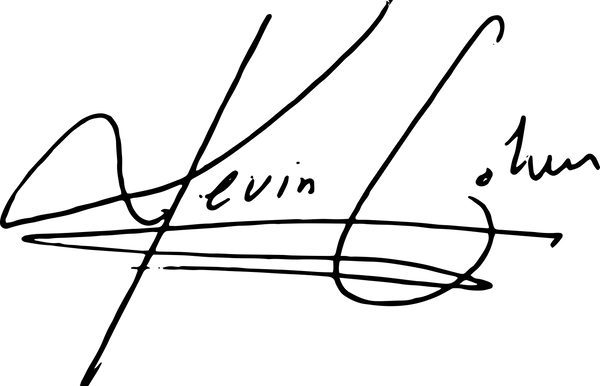
On this site, Kevin is shown as an architect and AIA member, written as "Kevin Cohen, AIA." You can read more on the about page. As with any architect you consider, we encourage you to use the state's public lookup to confirm the license of anyone you plan to hire.
Questions to bring to a first meeting
- Is the architect licensed in California, and can I verify it on the Board's website?
- Is the AIA membership current, if the letters are used?
- What is included in the scope of services, and what is excluded?
- Who will be my day-to-day contact?
- Has the architect worked with my local building department on similar projects?
More answers to common questions are collected in the FAQ. If you would like to discuss a project, the contact form is the easiest place to start.
Start with the architect. Whatever the question is, the design, the permit, the budget or who to bring in next, an architect looks at the whole project first and then helps you choose and coordinate the engineers, designers and builders it needs. Talk with Kevin Cohen, AIA about your project.
General information only, not legal, engineering or code advice. Rules differ by city and change over time, so confirm the details for your property with your local building and planning departments and with qualified professionals.