
The Case for Restraint
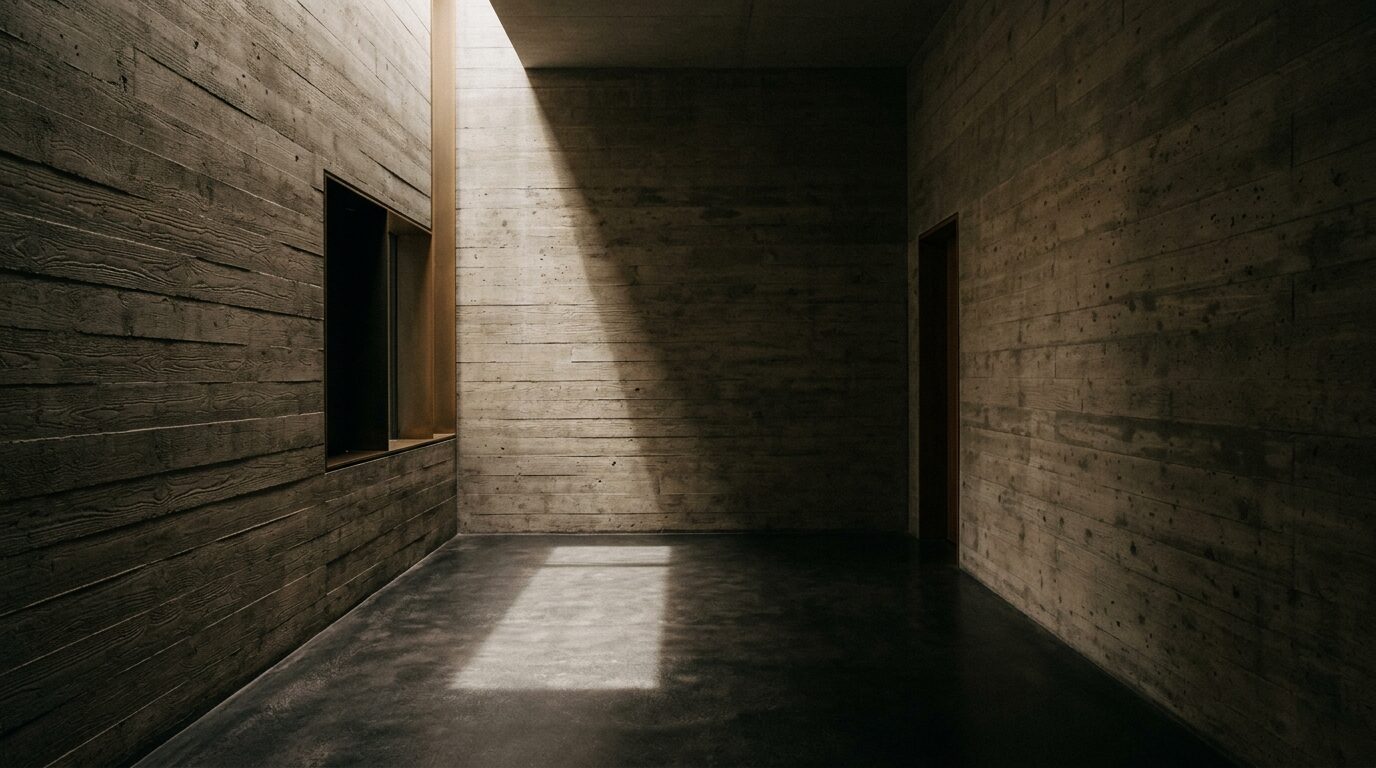
The hardest thing to design is often the thing you decide to leave out. Restraint looks like simplicity from the outside, but it is the result of a hundred small refusals — each one made so the whole can feel effortless.
There is a common assumption that a more considered space is a more decorated one. More detail, more material, more gesture. In practice, the spaces that feel most resolved tend to be the ones where someone had the discipline to stop. Restraint is not the absence of ideas. It is the editing of them.
Effortless is expensive
A room that feels calm and inevitable almost never arrived there easily. The clean line hides the junction that took three iterations to resolve. The uninterrupted wall required the mechanical, the storage, and the structure to be negotiated out of sight. Effortlessness is a finish, not a starting point — and it costs attention, not ornament.
Anyone can add. Knowing what to remove is the whole discipline.
When I look at a design and something feels slightly off, the instinct is rarely to add a feature to fix it. More often the answer is subtraction: one less material in the palette, one fewer change of plane, a reveal removed so the eye can rest. Each removal makes the remaining decisions carry more weight, and asks them to be right.
Restraint is earned, not styled
There is a difference between a space that is empty and a space that is restrained. Emptiness is a lack. Restraint is a presence — a confidence that every element left in the room deserves to be there. You feel it in the proportion of a doorway, the honesty of a material left to be itself, the quiet where a lesser design would have added a flourish.
This is why restraint cannot be applied as a style at the end. It has to be a decision made early and defended throughout, against every reasonable temptation to do more. The reward is a kind of durability: rooms that do not chase a moment and therefore do not date with it.
The test of time
Trends are additive by nature — they ask you to signal that you are current. Restraint opts out of that conversation. A well-proportioned room in honest materials looked right forty years ago and will look right forty years from now, because it was never trying to look like anything except itself.
That is the real argument for restraint. Not that less is more as a slogan, but that a space asked to do less, and to do it precisely, is a space that will still feel considered long after the fashions that surrounded its making have gone quiet.